
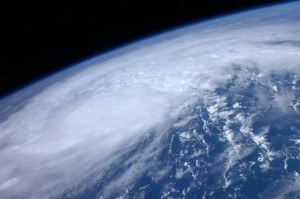
The U.S. Consumer Product Safety Commission (CPSC) and the U.S. Fire Administration (USFA) warned residents in hurricane-impacted areas about deadly dangers that can linger after a storm such as Hurricane Irene. Knowing the main hurricane safety hazards can help you protect your family during recovery.
Consumers need to take special care during a loss of electrical power, because the risk of carbon monoxide poisoning and fire rises at that time.
Portable Generators and Carbon Monoxide
To power lights, keep food cold, or cook, consumers often turn to gas-powered generators. CPSC and USFA warn consumers never to run portable generators indoors, or in garages, basements, or sheds. Generator exhaust contains high levels of carbon monoxide (CO), which can quickly incapacitate and kill.
“Don’t create your own disaster in the aftermath of a storm,” said CPSC Chairman Inez Tenenbaum. “Never run a generator in or right next to a home. Carbon monoxide is an invisible killer. CO is odorless and colorless and it can kill you and your family in minutes.”
From 1999 to 2010, consumers reported nearly 600 generator-related CO deaths to CPSC. In recent years, CPSC has tracked an annual average of 81 CO poisoning deaths from generators. Most of those deaths happened when someone used a generator inside a home’s living space, in the basement, or in the garage. The CPSC Carbon Monoxide Information Center offers detailed safety guidance.
“We know from experience that, as victims try to recover from disasters, they will take unnecessary risks with candles, cooking, and generators. These risks often result in additional and tragic life safety consequences,” said Deputy U.S. Fire Administrator Glenn Gaines. He urged everyone to remember even the simplest fire safety behaviors after disasters of any type.
Follow These Safety Tips After a Storm
Do not put your family at risk. Instead, follow these important safety tips from CPSC and USFA in the aftermath of a storm.
Portable Generators
Never use a generator inside a home, basement, shed, or garage, even with the doors and windows open. Keep generators outside and far away from windows, doors, and vents. Read both the label on your generator and the owner’s manual, and follow the instructions. Make sure any electrical cables you use stay free of damage and suit outdoor use.
Charcoal Grills and Camp Stoves
Never use charcoal grills or camp stoves indoors. Burning charcoal or a camp stove in an enclosed space can produce lethal levels of carbon monoxide. In 2007, at least seven CO-related deaths involved charcoal or charcoal grills.
CO Alarms
Install carbon monoxide alarms immediately outside each sleeping area and on every level of the home to protect against CO.
Electrical and Gas Systems
Do not turn on walls and outlets that have been under water. Replace them, unless a qualified electrician properly inspects and tests them first. Replace any natural gas or propane valves that have been under water. Smell and listen for leaky gas connections. If you suspect a gas leak, leave the house immediately and leave the doors open. Never strike a match, because any size flame can spark an explosion. Before you turn the gas back on, have a professional check the gas system.
Candles
Use caution with candles. When possible, use flashlights instead. If you must use candles, do not burn them on or near anything that can catch fire. Never leave burning candles unattended, and extinguish them when you leave the room.
Consumers, fire departments, and state and local health and safety agencies can download CPSC generator safety posters, door hangers, and CO safety publications from the CPSC Carbon Monoxide Information Center, or order free copies by calling the CPSC Hotline at (800) 638-2772. You can also download USFA publications on disasters and fire safety.
If an injury affects you, our experienced wrongful death lawyer, DC car accident lawyer, and slip and fall lawyer are available for a free consultation.