Over $400 Million Recovered For Our Clients “Roger K. Gelb is one of the area’s most respected and sought-after legal minds” – Washingtonian Magazine
DC Bicycle Accident Lawyer
Bicycles offer DC residents a practical and economical mode of transportation. Many are available to the public for a small fare, and all can be used safely and conveniently to traverse the District. Despite their advantages, bikes also carry serious safety risks. Our experienced DC bicycle accident lawyers have handled injury cases in the District for over 70 years. In many cases, these accidents have long-term or even fatal consequences.
You might be entitled to significant compensation if you sustain severe injuries in a bicycle accident. Allowing a Washington, DC, bicycle accident lawyer to review your claim could help guide your injury claim forward. Assistance from Roger Gelb, a dedicated personal injury attorney, could make the difference in getting the money you need to get your life back on track.
There are many different ways a bike accident can occur. Many of these accidents share similarities with collisions between two motor vehicles. A good DC bike accident lawyer can advise cyclists who were hurt in an accident on whether their collision could lead to a viable personal injury claim.
Some of the most common bicycle accidents our Washington, DC, bike accident lawyers handle involve a motor vehicle colliding with the front or rear of the bike. This can happen when the cyclist is in motion or stopped at an intersection.
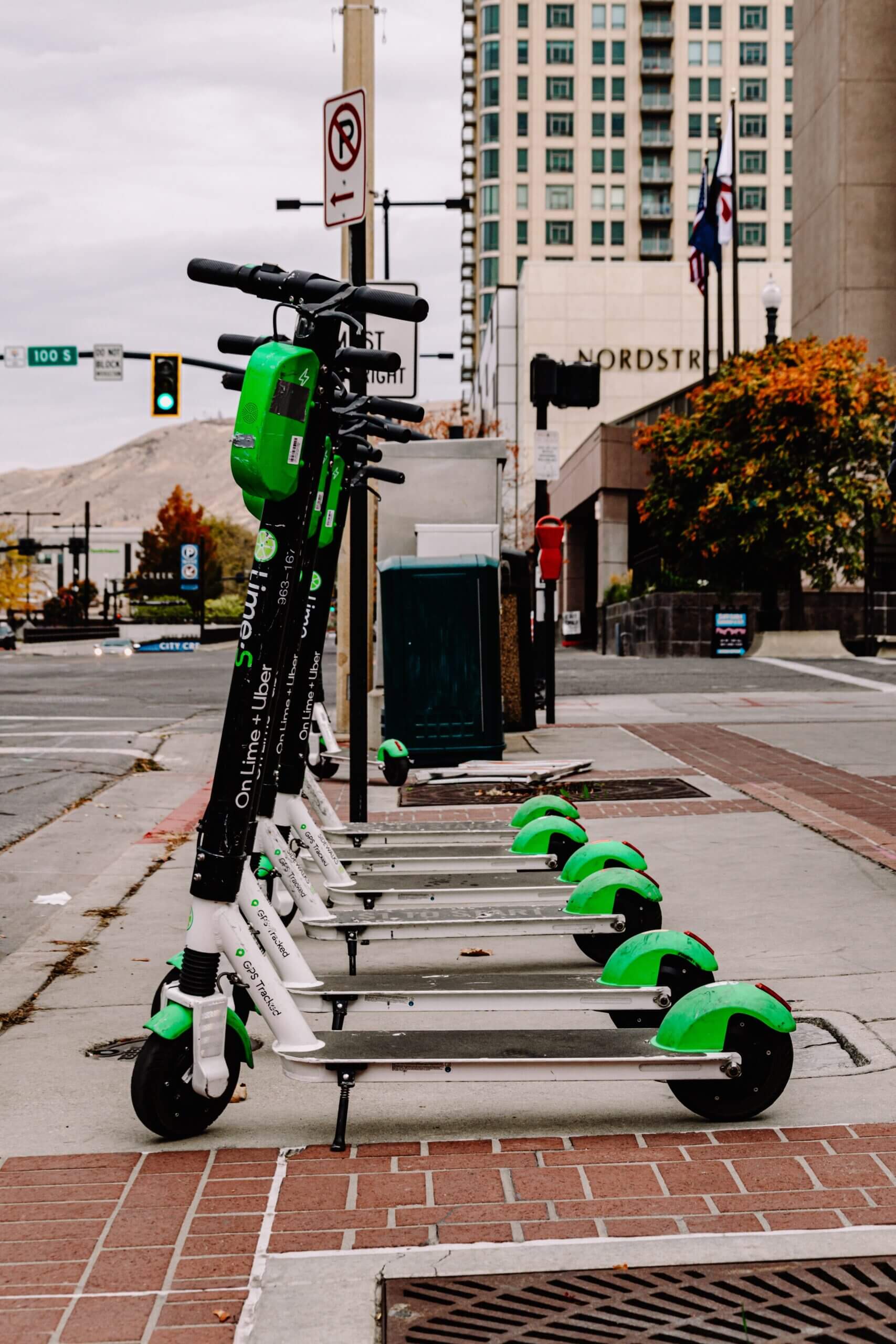
Other accidents are unique to cycling. For example, a driver who shares a lane with a cyclist could cause an accident by turning right in the cyclist’s path. Another common cause of bicycle accidents on busy city streets is “dooring.” Dooring involves a motorist opening the door of their vehicle directly in the path of an oncoming bike. These unexpected accidents often result in severe injuries. Dooring can be particularly debilitating to cyclists, particularly with e-bikes or electronic bikes such as Lime, where high speeds are prevalent.
Why Bike and Scooter Crashes Are on the Rise in D.C.
According to Managing Partner Roger Gelb, there are at least two reasons why the number of accidents on bikes and scooters is increasing.
First is the number of cyclists and scooter riders who lack knowledge of the roads in the District. People unfamiliar with Washington, D.C., often choose to tour the city. While it is a great way to view the city, it can be dangerous. Accidents frequently occur, whether these riders are part of a tour or just exploring with family and friends. While bikers are permitted on the sidewalks in D.C. and on the roads, both require that the rider be diligent in watching out for unpredictable obstacles.
A second unfortunate yet common reason for accidents on Lime bikes, Capital Bikeshare, and Bird scooters is due to alcohol or other drugs. Unfortunately, people who cannot safely operate a car think driving a bicycle or scooter is okay. This is absolutely untrue. In addition to criminal penalties, civil liability is possible. These accidents occur when people leave a bar or club and wish to avoid paying for the more expensive taxi or Uber. It may also happen when someone is exploring the city during the daytime. Please consult an accident lawyer to discuss your options regardless of the circumstances.
Who is Liable in a Bike Accident?
When operating a Lime bike, Capital Bikeshare, or Bird scooter, the negligence rules are the same as those for any other bike or scooter. Under § 50-2201.28(b-1), a person on a bicycle or electric mobility device, such as a Lime bike, riding on or along a sidewalk has the same rights and duties as a pedestrian. Of course, it is generally far more difficult to control your bicycle on the sidewalk than how pedestrians control their bodies. So, while the duty is the same, not breaching that duty remains more difficult for riders. Of course, this also means these e-bike and scooter riders have just as much right to be on the sidewalk in D.C. as pedestrians. This includes riding in a crosswalk, as is the title of the section of the D.C. Code.
Additional Duties Under § 50-2201.28(b-1)(1)
§ 50-2201.28(b-1)(1) does add more responsibility for bicyclists. In addition to the rights and duties listed above, riders must still yield to pedestrians on the sidewalk or in a crosswalk. While this may sound contradictory, it is not. During your free consultation, a DC bicycle accident lawyer can explain this to you in easier-to-understand terms.
A big takeaway from this section of the D.C. code is that riding an e-bike, bicycle, or scooter on the sidewalk is permissible in Washington, D.C. In addition to the liability a defendant faces from a plaintiff, they also face fines, penalties, and fees from the Department of Motor Vehicles as alternative sanctions. However, this will pale in monetary value compared to a civil lawsuit from an injured plaintiff. This is where our attorneys get involved to obtain maximum compensation on your behalf.
Whose Insurance Covers the Loss?
Lime, as a subsidiary company, offers its users insurance policies. However, those policies are not active in the District of Columbia. They are only offered in California and Ohio. This is very likely because state laws require it in those places. Beyond that, insurance coverage for riding a bicycle or scooter operates as if it does not have electricity. Without going into each possible scenario, of which there is a nearly infinite number, it is best to consult a DC bicycle accident lawyer for the most up-to-date laws in the District.
The monetary compensation of a successful bicycle accident claim can be significant. Generally, compensation falls into two broad categories: economic and non-economic damages.
Economic damages are interesting because we measure them precisely. Compensation can help injured cyclists recover their out-of-pocket medical bills or other injury-related expenses. At trial, our DC bicycle accident lawyers may establish the amount of economic damages owed through receipts, bills, and invoices.
Establishing the value of non-economic damages at trial can be challenging. These damages are subjective, meaning no receipts or other documentary evidence can be used. Demonstrating the value of this type of bicycle accident compensation typically requires witness testimony.
Lost Wages
Serious injuries routinely require cyclists in vehicle accidents to miss work. When this happens, the cyclist can pursue compensation for their lost wages. This can include missed paychecks during their rehabilitation and compensation for any future diminished earning power. The ability to recover from this harm recaptures some power you lose in an accident. It is not a way to empower a victim, however. Instead, it is a form of compensating you or bringing you back to even. In other words, how much money does it take to make up for the struggle you must endure because of the accident? You can consult a Washington, DC, bicycle accident lawyer for more help recovering your lost wages.
When you are in a bicycle accident, your whole world stops. In addition to suffering injuries to your body and damage to your bike, you lose your sense of reality. You can no longer work if a doctor tells you so. While some may appreciate the time off, many want to return to their daily routine. If this is the case, then this is another compensable financial injury.
Medical Bills
According to our DC bicycle accident lawyers, medical bills are the most prominent form of economic damages in bicycle accident lawsuits. The cost of emergency room treatment, hospitalization, follow-up care, and prescribed medications can be extensive. An injured cyclist has the right to recover these losses if our bike lawyers establish that the defendant was negligent. If a tortfeasor causes your injuries, there is no reason why you should be left with any expenses. Notably, the defendant is liable for your injuries, whether the extent of your injuries is foreseeable or not.
For example, if you are riding your bicycle and collide with the defendant, and the defendant hits you going only three miles per hour, but he is 100% at fault, he is responsible for your injuries. If it does happen, our DC bicycle accident lawyers will fight to hold the defendant liable. If you need medical treatment for your head injuries due to the accident, and that treatment is reasonable, you may collect compensation for that in your case.
Pain and Suffering
Pain and suffering is the catch-all term for non-economic damages in a bicycle accident claim. The physical pain that results from a severe injury can be significant, and it can last throughout the recovery process. Physical injuries from a bicycle accident can be excruciatingly painful. And sometimes, the medical expenses in your case do not represent that pain. Rightfully, the law allows for recovery of noneconomic or general damages. A plaintiff can seek monetary compensation for this physical suffering with help from a Washington, DC, bicycle accident lawyer.
Pain and suffering are more fact-dependent than medical expenses or lost wages, which are quantifiable. Building a solid case for recovering adequate pain and suffering takes an excellent legal argument. Your suffering may be the worst, most painful injury of all time. But it takes a good lawyer to sell it and a jury to believe it for you to get compensation. It can mean the difference of thousands of dollars in your recovery. This, among countless other reasons, is why choosing an experienced bike accident lawyer is important.
Our DC bicycle accident lawyers have practiced personal injury law in Washington, D.C., for more than seventy years. Through mentorship and intra-firm leadership, our attorneys have amassed legal skills that directly benefit our clients. We have relationships with other firms and have implemented systems designed to pursue fair compensation for our clients. Whether you have minor scratches or catastrophic injuries from your bicycle accident, we have experience handling hundreds of similar cases. While every case is unique, our experience informs how and when to act to pursue fair financial recovery in your case.
Aggressive Pursuit
We believe in leaving no stone unturned in investigating and evaluating your case. As stated above, each case is unique. While your case may appear to be an ordinary bicycle accident case, we will carefully peel back each layer to find damages you have suffered, for which you may receive compensation. Pain and suffering, for example, is a broad category compensable under the law. There is a multitude of experiences you may have that entitle you to compensation under this category. Through our careful investigation, we will collect all the necessary evidence to build your case.
Client-Centric Approach
This is a critical aspect of any legal representation. Many attorneys practice in Washington, D.C. Our aim is to take the time to answer your questions in a patient and respectful manner. When we take your case, you get to work one-on-one with your DC bicycle accident lawyer. Legal assistants or paralegals answer your questions at many personal injury law firms. While we have excellent paralegals who work behind the scenes, your lawyer answers your legal questions.
Bicycle Maintenance and Its Role in Accident Liability
Not all accidents are due to the fault of another driver on the road. Sometimes, it is your own fault for not properly maintaining the bicycle. Or, it could be the fault of the manufacturer, making it a product liability case. In either event, we would be suing some other third party besides another driver. In fact, another driver does not necessarily need to be involved in the accident. However, in either of these types of accidents, the way a bike accident lawyer evaluates the viability of your case changes. First, these cases are more expensive to pursue. We generally must hire expert witnesses to inspect your bicycle. We pay them either by the hour or a flat rate. This expense is generally not necessary in a typical bicycle accident case. Thus, your case’s value should be higher to make the expense and risk worthwhile.
When Bicycle Maintenance or Defects Lead to Injury Claims
If you use a personal bicycle, you should maintain it and keep it in reasonable condition for the road. A failure to do so can mean you are liable for any resulting injuries. Meanwhile, if you use something like Lime, Bolt, or Capital Bikeshare, the entity that owns and maintains the bike could be liable if the accident was caused by their failure to perform regular inspections or repairs. Another important consideration for this type of claim is that you must not get rid of the bicycle after the accident. It can be a normal instinct to throw the bike away, particularly if it is destroyed. However, that is critical evidence that you are disposing of. Moreover, it prevents us from being able to send an expert over to inspect it.
This is especially an issue if it is a rented bicycle. What can you do if you do not own it but must preserve it as evidence? The best thing to do is to document as much information as possible, then immediately call our office. Every case is different, so we cannot necessarily provide blanket guidance. Call us for a free case consultation.
Dangerous Intersections and Crash Hotspots in Washington, D.C.
There are countless dangerous intersections in Washington, DC, for bicyclists. However, there are a few key factors to look out for when predicting where the most accidents might occur. These might include poor visibility, a lack of or an unclearly marked bike lane, high-speed traffic, and confusing merging patterns.
14th Street NW and U Street NW
14th Street NW and U Street NW is a dangerous intersection for many reasons. While there is a bike lane on 14th Street, entering can be confusing because there is a bus stop between the two car lanes and the single bike lane. Additionally, there are unusual markings on the street directing bicyclists to move to the front of traffic. When bicyclists do this, they may unknowingly get into the blind spot of a driver, who then hits them, causing significant injury. However, this is not the only reason it is such a dangerous intersection. Both U Street and 14th Street are hubs for nightlife in the District. Unfortunately, this leads to three things, all of which contribute to bike accidents. First, pedestrians walk around this intersection without regard for the law while drunk.
They may walk in front of you at the last moment, leaving you unable to avoid a collision. That is the nature of drunk people. Or, a drunk driver may hit a pedestrian. While that would enable an injured bicyclist to seek punitive damages, that is unavailable in Washington, DC, unless the driver acted intentionally. Third, the bicyclist may be riding under the influence of alcohol. Unfortunately, many people think less of riding a bike while drunk than they do of driving a car. While it is true that it will probably cause less destruction if you are in an accident, you can still cause a car to veer out of your way and injure others.
New York Ave NE near Florida Ave
New York Avenue NE, also known as U.S. Route 50, connects with Florida Avenue in Northeast DC. At least two factors make this intersection dangerous. First, there is ongoing construction. Any time there is construction, traffic patterns get confusing, especially for bikers. Bikers tend to hug the right lane. However, they are unable to do so when there is construction where the bike lane should be. Consequently, accidents tend to occur. Furthermore, many cars head west down New York Avenue too quickly, as it is downhill. Higher speeds always spell trouble for bicyclists.
Benning Road NE
Benning Road Northeast stretches from Southern Avenue to Maryland Avenue, where it turns into H Street. An additional twist on Benning Road is that the DC Streetcar runs on this road. This can be confusing for people unfamiliar with the road and is another thing to avoid when riding your bike. Unfortunately, Benning Road does not have bike lanes, which makes it more likely to be involved in an accident. Moreover, there are stretches of Benning Road with parked cars in the right lane. This leaves just enough room for a bicyclist to pass through, avoiding the traffic in the left lane. Unfortunately, dooring often occurs in these scenarios.
DC Laws on Cyclist Rights at Traffic Lights and Stop Signs
According to the DC Municipal Regulations, Title 18, Section 1201.1, cyclists are subject to the same laws as cars on the road in Washington, DC. But what does this mean? While this sounds intuitive, many common examples may surprise you. For example, you may be accustomed to seeing bicyclists riding against traffic and think nothing of it. However, if you see a car or truck on the wrong side of the road, you immediately notice it, honk, wave, and might even report it to the police. Bicyclists are subject to this same rule. Do any laws exist that subjugate bicyclists to one lane? No, no law requires cyclists to ride in the right portion of the traffic lane.
As another example, have you ever seen a bicyclist in a crosswalk? Bicyclists are subject to the same laws as pedestrians, with the caveat that bicyclists must yield to other pedestrians within that crosswalk.
DC Bicycle Laws Every Cyclist Should Know
Cyclists in the District share the road with cars, trucks, buses, and pedestrians. As a result, the law treats bicycles as vehicles for most purposes. Under the District of Columbia traffic code, riders must obey traffic signals, yield where required, and signal turns. A DC bicycle accident lawyer can explain how these rules apply to a specific crash.
The District Department of Transportation publishes a rider-friendly summary. You can review it on the DDOT bicycles page. That page covers bike lanes, parking, and permitted sidewalk riding outside of the Central Business District.
Lights, Helmets, and Protective Equipment
Riders must use a white front light and a red rear reflector or light after dark. Helmets are required for riders under sixteen. Adults are not required to wear helmets by law, but safety groups such as the League of American Bicyclists strongly encourage them. A helmet does not excuse driver negligence, and a lack of a helmet is not an automatic bar to recovery.
Lane Positioning and Bike Lanes
Cyclists may ride in traffic lanes and in marked bike lanes. In some cases, cyclists should take the full lane to remain visible. A DC bicycle accident lawyer can review lane positioning questions on a case-by-case basis. Driver inattention, unsafe passing, and abrupt turns remain leading crash factors.
Idaho Stop and the Safety Stop
The District recognizes a modified safety stop for cyclists. Under D.C. Official Code § 50-2201.05e, riders may treat a stop sign as a yield sign when safe. Nevertheless, riders must still yield to pedestrians and to vehicles with the right of way. Compliance and safety remain the priority.
Common Injuries Our DC Bicycle Accident Lawyer Team Reviews
Bicycle crashes can cause a broad range of injuries. Even at low speeds, a rider can suffer lasting harm. National data from the Centers for Disease Control and Prevention shows that head, face, and upper-body injuries are common. Our DC bicycle accident lawyers see similar patterns in District cases.
Head and Brain Injuries
Traumatic brain injuries can occur even when a helmet is worn. Symptoms may include headaches, confusion, memory loss, and mood changes. Further information is available through the National Institute of Neurological Disorders and Stroke. Prompt medical evaluation is important, and careful medical documentation strengthens the claim.
Spinal Cord and Back Injuries
Spinal fractures, herniated discs, and cord injuries can require surgery and long rehabilitation. Many riders face lasting pain and reduced mobility. Your treating physicians remain the best source for prognosis, and an experienced DC bicycle accident lawyer can then document the long-term effects in the claim.
Fractures and Soft-Tissue Damage
Arm, collarbone, wrist, and leg fractures are common in bicycle crashes. Soft-tissue injuries to the shoulder and knee are also frequent. Recovery can take months and may require physical therapy. Those therapy bills and the time lost from work form an important part of the economic damages analysis.
Road Rash and Dental Injuries
Road rash can be deceptively serious, because it may lead to infection and scarring. Dental injuries can require oral surgery, crowns, or implants. Keeping detailed photographs of injuries over time helps document the healing process for a jury or an adjuster.
What to Do After a DC Bicycle Accident
The steps you take in the minutes and hours after a crash can shape the rest of your case. Above all, your safety comes first. Call 911 if you or anyone else is hurt. The Metropolitan Police Department will respond, secure the scene, and create a report.
Gather Evidence at the Scene
When safe, take photographs of the vehicles, the bicycle, the roadway, any skid marks, and any signs or signals. Also, photograph your injuries. Collect the driver’s name, license, insurance information, and registration. Ask witnesses for their names and contact information, because memories fade quickly.
Seek Medical Care Without Delay
Even if you feel fine, injuries can emerge hours or days later. Prompt evaluation helps your health and creates a medical record that connects the injury to the crash. Follow your provider’s instructions and keep every bill, discharge summary, and imaging report.
Preserve Your Bicycle and Gear
Do not throw out your bike, helmet, clothing, or gear. These items can serve as evidence of impact forces and product performance. If the bike is rented, document it carefully and ask the rental company to preserve it. A DC bicycle accident lawyer can send a preservation letter to protect this evidence.
Avoid Recorded Statements and Broad Releases
Adjusters often call quickly after a crash. However, a recorded statement given without counsel can be misused later. Broad medical authorizations can release records that have nothing to do with the crash. Speak with a DC bicycle accident lawyer before signing or agreeing to anything.
Contributory Negligence and DC Bicycle Claims
The District follows a strict form of contributory negligence in most injury cases. That rule can reduce or bar recovery if the cyclist is even slightly at fault. A recent statutory change softened the rule for cyclists and other vulnerable road users.
The Motor Vehicle Collision Recovery Act
The Motor Vehicle Collision Recovery Act permits a cyclist’s negligence of less than fifty percent to not bar recovery, so long as the fault is not greater than the motorist’s. This change recognizes the dangers cyclists face. Still, a careful factual presentation matters, and a DC bicycle accident lawyer can help develop that record.
Practical Steps to Limit Fault Arguments
Follow traffic control devices, signal your intentions, and ride predictably. Use lights after dark and wear visible clothing when possible. Keep your bike in safe condition. These steps also reduce the chance of an accident in the first place.
Why Early Legal Review Helps
Insurance adjusters may frame the facts to shift blame. Early legal review can counter that narrative with statements, photographs, surveillance footage, and roadway evidence. A DC bicycle accident lawyer can help build that record promptly.
Insurance Coverage a DC Bicycle Accident Lawyer Reviews
Insurance is often the primary source of recovery in a DC bicycle crash. Liability limits on the driver’s auto policy generally set a practical ceiling. Still, several layers of coverage may come into play.
Liability, Uninsured, and Underinsured Motorist Coverage
When the at-fault driver is uninsured or underinsured, the cyclist’s own auto policy may provide uninsured or underinsured motorist coverage. In many cases, that coverage extends to crashes involving the insured as a cyclist. Review every available policy carefully, including any household policies and umbrella coverage.
Personal Injury Protection (PIP)
PIP can pay medical bills and some lost wages regardless of fault. The PIP benefits page on our site explains how to elect PIP and how that election interacts with a tort claim in the District.
Health Insurance and Subrogation
Your health insurer may pay medical bills during the case and then assert a lien against the recovery. A DC bicycle accident lawyer can negotiate those liens. The National Association of Insurance Commissioners offers general consumer information about insurance concepts.
Rideshare and Commercial Drivers
If a rideshare driver or commercial vehicle caused the crash, additional policies may apply. Commercial carriers regulated under federal law generally carry higher limits, as outlined by the Federal Motor Carrier Safety Administration. Identifying every available layer of coverage is a key part of the claim.
How DC Bicycle Accident Cases Are Investigated
A thorough investigation forms the foundation of a successful DC bicycle accident claim. Our team starts with the facts on the ground. Then, we layer in expert analysis where appropriate.
Scene, Video, and Witness Evidence
We photograph the scene, request any 911 audio and dispatch logs, and collect security footage before it is overwritten. Many businesses retain video for only a few days, so quick action matters. Witness statements are especially valuable when disputes arise over right of way.
Reconstruction and Biomechanics
An accident reconstructionist can analyze impact angles, speed, and sight lines. In some cases, a biomechanical expert can explain how the forces of the crash caused the injuries. These experts help connect the crash to specific medical findings.
Pattern Evidence and Roadway Data
Prior similar incidents at the same intersection can support a claim for dangerous roadway conditions. Roadway planning and safety data from the District Department of Transportation can add helpful context. In appropriate cases, a claim against a government entity may also be available, subject to strict notice rules.
Settlement and Trial in DC Bicycle Accident Claims
Most bicycle accident matters resolve before trial. Still, the decision to settle or proceed belongs to the client, guided by counsel. Mediation is common in the Superior Court of the District of Columbia. You can learn more through the District of Columbia Courts site.
Evaluating a Settlement Offer
A careful evaluation considers liability strength, projected damages, available coverage, and litigation costs. It also considers client goals. Some clients want closure, while others want a public verdict. A DC bicycle accident lawyer can explain the range of likely outcomes and the risks of each path.
Preparing for Trial
When a case proceeds to trial, careful preparation matters at every stage. Opening statements, witness preparation, and exhibits all require time and thought. Clients are prepared for testimony with sensitivity, because crashes can involve painful memories.
Frequently Asked Questions About DC Bicycle Accident Claims
How long do I have to file a DC bicycle accident claim?
The general statute of limitations for personal injury in the District is three years from the date of the injury. Shorter notice deadlines can apply if a government entity is a defendant. Because deadlines are strict, contact a DC bicycle accident lawyer promptly.
Can I recover if I was not wearing a helmet?
The absence of a helmet is not an automatic bar to recovery for adults in the District. Still, the issue may arise during settlement discussions or at trial. A thorough medical and factual record helps manage the issue fairly.
Who pays my medical bills while the case is pending?
Health insurance, PIP, and, in some cases, med-pay coverage may pay bills during the case. The insurer may later claim reimbursement from any recovery. A DC bicycle accident lawyer can coordinate these payments and negotiate liens.
What if the driver fled the scene?
Call 911 and the Metropolitan Police Department right away. Uninsured motorist coverage may apply to hit-and-run crashes. Preserve any photos, video, and witness information, and review our hit-and-run resource for next steps.
Do I need to go to court?
Not necessarily. Many claims resolve through negotiation or mediation. If the case does not settle, client testimony may be needed. The firm prepares clients carefully for any required appearance.
Our Ethical Commitment to DC Bicycle Accident Clients
Our firm is committed to the ethical rules that govern lawyers in the District. We follow the DC Rules of Professional Conduct published by the D.C. Bar. Those rules cover confidentiality, conflicts of interest, competence, diligence, communication, fees, and advertising.
No Guarantees and Truthful Communications
We do not guarantee outcomes. We describe what we can and cannot do before a matter is accepted. Prior results described in any marketing material do not predict or guarantee a similar result in any other matter. Every case turns on its own facts and on the applicable law.
Not Legal Advice
This page provides general educational information about DC bicycle accident claims. It is not legal advice, and it does not create an attorney-client relationship. An attorney-client relationship forms only after both the firm and the client sign a written agreement.
Contingency Fees in Writing
Our fees in bicycle accident matters typically follow a contingency basis. That means there is no attorney fee unless we recover compensation for you. We set out fee agreements in writing and review them with the client, consistent with the DC Rules of Professional Conduct. Families are welcome to review general information about working with a lawyer through the American Bar Association.
Plan routes in advance and use protected bike lanes where possible. Avoid unfamiliar intersections during peak hours. Ride predictably, signal early, and watch for turning vehicles. These simple habits reduce risk on busy DC streets.
Children and Younger Riders
Younger riders face different risks. Riders under sixteen must wear a helmet, and younger riders benefit from supervised practice in low-traffic areas. Parents can review child-rider safety tips from the Safe Kids Worldwide bike safety resources.
Common Causes Our DC Bicycle Accident Lawyer Team Handles
Every crash has a story, yet many share common causes. Understanding these patterns can help riders stay safer and can help a DC bicycle accident lawyer build a strong claim. The following causes appear frequently in District cases.
Distracted Driving
Drivers who use phones, eat, or adjust the radio miss the cues that keep cyclists safe. A turning vehicle may fail to see a rider in a marked bike lane. Cell phone records, dash camera footage, and witness statements can help show distraction in these cases.
Impaired Driving
Alcohol and drugs impair reaction time and judgment. Late-night crashes near entertainment districts often involve impaired drivers. Police reports, chemical test results, and bar or restaurant records can support an impaired-driving claim.
Speeding and Failure to Yield
Speed increases crash severity. Failure to yield at intersections, crosswalks, and driveways is a leading cause of cyclist injuries. Traffic camera footage and roadway markings help establish fault in these cases.
Unsafe Turns and Passing
Right-hook turns and unsafe passing maneuvers put cyclists at serious risk. Drivers who pass too closely can clip a handlebar or force a rider off the road. The District requires safe passing distances, and an experienced DC bicycle accident lawyer can apply those rules to the crash facts.
Poor Roadway Design and Maintenance
Potholes, uneven pavement, missing signage, and poorly designed bike lanes contribute to crashes. When a public agency or a contractor fails to maintain the roadway, a claim may be available. Notice requirements can be short, so early review is important.
Bicycle Crash Scenarios Our DC Bicycle Accident Lawyer Team Handles
Bicycle crashes take many forms. Each type involves its own legal analysis and its own evidence. A DC bicycle accident lawyer can tailor the approach to the facts of your case.
Intersection Crashes
Intersections bring cyclists and motor vehicles together at different angles and speeds. Right-hook, left-hook, and straight-through crashes are common. Signal timing, sight lines, and lane markings all matter, and our office reviews each of these factors.
Dooring Incidents
Dooring occurs when a motorist opens a door into the path of a cyclist. This is a classic District crash, especially along dense corridors. Our dooring resource explains how the law treats these cases.
Rear-End Crashes
Rear-end crashes can throw a rider to the pavement with little warning. Liability often rests with the motorist, but contributory fault arguments can still arise. Our rear-end crash page outlines the common issues.
Bike Lane and Construction Zone Crashes
Blocked bike lanes and construction zones force riders to merge with traffic. These maneuvers increase the risk of a crash. Our bike lane resource and our construction zone page cover these scenarios.
Nighttime and Low-Visibility Crashes
Poor lighting, weather, and glare affect every road user. Our nighttime crash resource addresses the issues that arise at night. Reflective gear and proper lighting help, but driver inattention remains a common cause.
Working With Economic and Medical Experts
Proving the full value of a DC bicycle accident claim often requires expert testimony. The experts you work with must have genuine qualifications. Judges review the reliability of expert methodology, and opposing counsel will often challenge assumptions and conclusions.
Economists and Vocational Experts
An economist can calculate lost future earnings, lost fringe benefits, and the present value of household services. These calculations often rely on tables published by the U.S. Bureau of Labor Statistics. A vocational expert can assess career trajectory after a serious injury.
Medical Experts
Medical experts explain causation and the long-term effects of the injury. Treating providers can offer a detailed record of care. Retained experts can connect the dots for a jury or for a mediator.
Accident Reconstruction Experts
A reconstructionist can model impact speeds, stopping distances, and sight lines. Photographs, measurements, and vehicle data form the basis for that analysis. Clear reconstruction can make the difference in a close liability case.
Damages Our DC Bicycle Accident Lawyer Team Seeks
Damages in a DC bicycle accident claim fall into several categories. A DC bicycle accident lawyer can explain how each category applies to your case. Every claim turns on its own facts.
Past and Future Medical Expenses
Past medical bills are proven through receipts, statements, and records. Future medical expenses require expert testimony about the course of care. Those projections may include surgery, therapy, medications, and durable medical equipment.
Past and Future Lost Earnings
Missed paychecks, lost bonuses, and missed promotions can all be part of the claim. For long-term effects, an economist can project future earnings loss. Tax returns and employer records support the numbers.
Pain, Suffering, and Loss of Enjoyment
Non-economic damages cover the effects of the crash that are not captured by receipts. These include physical pain, emotional distress, and the loss of enjoyment of activities you once loved. Testimony from you, your family, and your friends helps a jury understand the full impact.
Property Damage
Property damage includes the bicycle, the helmet, clothing, electronics, and any other personal items harmed in the crash. Keep receipts, photographs, and repair estimates. Our firm can also request replacement value where appropriate.
Punitive Damages
Punitive damages are available only in narrow circumstances, such as willful or malicious conduct. They do not follow ordinary negligence. A DC bicycle accident lawyer can assess whether the facts support a punitive claim.
Choosing a DC Bicycle Accident Lawyer You Can Trust
Choosing a lawyer is an important decision. Every client should ask questions about experience, approach, and communication. A DC bicycle accident lawyer should be ready to answer those questions in plain language.
Questions to Ask
Ask how the firm handles bicycle cases specifically. Ask who will work on your matter. Ask about fees, costs, and how often you will hear from your attorney. Clear answers help you make an informed choice.
Fee Agreements and Costs
Review the written fee agreement carefully. Ask whether costs are advanced by the firm and how they are handled at the end of the case. Contingency arrangements are common, but the specifics vary from firm to firm.
Communication and Expectations
Good representation includes clear, timely communication. Your attorney should explain the process, set realistic expectations, and answer questions. Ongoing updates help you stay informed as the case progresses.
Grief, Recovery, and Practical Resources
Recovery after a DC bicycle crash is more than a legal process. Medical treatment, financial stress, and day-to-day adjustments all weigh on you and your family. The following resources may help along the way.
Local advocacy groups can help riders recover and re-engage. Programs through the Washington Area Bicyclist Association offer classes, rides, and community support. These resources are independent of our firm and are provided for informational purposes only.
Returning to the Road
Some riders are ready to return quickly. Others need more time. Graduated return-to-ride plans can help. Speak with your healthcare providers about safe steps back to cycling and about any adaptive equipment that may help.
Trucks, Buses, and Cyclists on DC Streets
Large vehicles pose unique risks to cyclists. Blind spots are larger, turning radii are wider, and stopping distances are longer. Our DC bicycle accident lawyers take these factors into account when building a claim against a commercial defendant.
Right-Hook Risks at Intersections
A right-hook crash occurs when a larger vehicle turns right across a cyclist’s path. These crashes can be severe, and they often happen at busy intersections. Careful review of the signal timing and the driver’s line of sight helps establish liability.
Bus Stops and Bike Lanes
Conflicts often arise where bike lanes pass through bus stops. Passengers step off the bus into the bike lane, and drivers may pull across the lane to reach the curb. These conflicts call for careful analysis of traffic control and roadway design.
Commercial Insurance and Policy Layers
Commercial defendants often carry several layers of insurance. Identifying every policy is critical. Federal minimums for interstate carriers are published by the Federal Motor Carrier Safety Administration.
Product Liability for Defective Bicycles and Gear
Not every crash is caused by a driver. Sometimes, a defective bicycle, helmet, or component causes or worsens the injury. In that case, a product liability claim may be available in addition to, or instead of, a negligence claim.
Design, Manufacturing, and Warning Defects
Product liability claims often involve three theories: design defects, manufacturing defects, and failure to warn. Each theory relies on a careful technical review of the product. Engineers and other experts analyze the product and compare it to industry standards.
Recalls and Safety Notices
Riders can check for bike recalls through the U.S. Consumer Product Safety Commission. A recall does not decide a case, but it can support a product defect claim. Our firm reviews recall history as part of the investigation.
Preserving the Product
Do not discard the bicycle, the helmet, or any related gear. These items are the core evidence in a product liability claim. Store them in a safe, dry place and, if possible, photograph their current condition.
When the Government May Be a Defendant
Some DC bicycle accident claims involve a government entity. Examples include crashes caused by dangerous roadway conditions, by a government vehicle, or by a traffic control failure. These claims follow special rules.
Notice Requirements and Deadlines
Claims against the District must comply with strict notice rules. Notice must often be given within six months of the incident. Deadlines vary by entity, so early legal review is especially important.
Common Roadway Defects
Potholes, missing manhole covers, broken pavement, and poorly designed intersections are common roadway defects. The District’s maintenance records and prior complaint logs can help show notice. A DC bicycle accident lawyer can request these records through a formal process.
Working With Our DC Bicycle Accident Lawyer Team
Clients deserve a clear and predictable process. Our firm prioritizes direct contact with a lawyer, written communication of important milestones, and candid conversations about strengths and weaknesses in the case.
The First Consultation
The first consultation is free and confidential. We listen carefully, ask questions, and explain the next steps. You leave the meeting with a clear sense of your options and of the timeline ahead.
Case Milestones
We communicate key milestones in writing. These include demand letters, filing of a lawsuit if needed, discovery, depositions, mediation, and trial preparation. You always know where your case stands.
Closing the File
At the close of the case, we review the settlement distribution or verdict in detail. We discuss how liens were handled, how costs were allocated, and what to expect next. Clients receive a final statement and any records that belong to them.
Neighborhood-Specific Considerations for DC Cyclists
Every neighborhood in the District has its own rhythm and its own risks. A DC bicycle accident lawyer considers local details when building a claim.
Downtown and the Central Business District
Traffic volume, delivery vehicles, and pedestrians fill the streets downtown. Protected lanes help, yet conflicts still occur at intersections and driveways. Riders benefit from extra caution near loading zones.
Capitol Hill and Eastern Market
Capitol Hill blends residential streets with commuter traffic. Brick sidewalks, parked cars, and narrow lanes create pinch points. Riders should watch for opening doors and for cars pulling out without looking.
Dupont Circle and Adams Morgan
Nightlife corridors see more impaired-driving crashes after hours. Cyclists should plan routes that avoid the busiest blocks and should stay visible. Riders are welcome to share route concerns during a free consultation.
Call a Washington, DC Bicycle Accident Attorney
You might be entitled to monetary compensation if you sustain injuries in a DC bicycle crash. However, pursuing this compensation alone can lower your chances of success.
By working with a DC bicycle accident lawyer, you can give yourself a considered path toward a favorable outcome in your bike accident claim. Call Gelb & Gelb, P.C., immediately to learn how an attorney can help your case.













 Free Consultation