
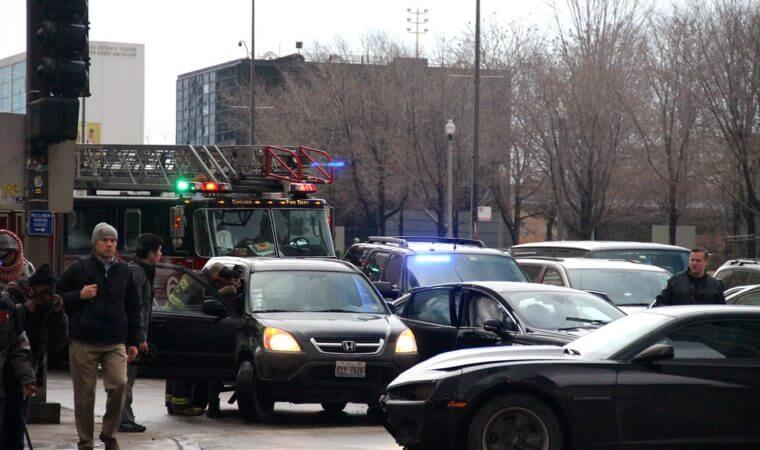
Multi-vehicle car accidents often raise tricky questions about fault. When someone stops and another car rear-ends them, a strong impact can push that vehicle into the car ahead. This pattern appears often in cases reported to car accident lawyer Roger Gelb of Gelb & Gelb, P.C.
When Your Client Is the Middle or Rear Vehicle
The insurer for the rearmost, at-fault party usually wants proof before it pays. First, it insists on a statement from the front driver. That statement must place all blame on the furthest-back vehicle. If the insurer confirms that the front vehicle felt only one impact, it should pay for all the property damage. It will also bear responsibility for any resulting injury claims. These cases often turn on a single point of negligence.
When Your Client Is the Front Vehicle
In another scenario, our client drives the front vehicle. In that case, Roger Gelb always asks the client how many impacts the person felt. An insurer asks the same question, for the same reason. Often the driver sees the impacts in the rearview mirror. As a result, the driver knows exactly how the crash unfolded. Suppose the middle vehicle strikes the front car. Then it absorbs a rear impact that pushes it into the front car again. That second impact gives the client a claim against both parties. Carriers typically resolve these claims with a 50% contribution from each insurer.
In rare cases, the client feels certain about the source of each injury. The first impact may have injured the neck and back. The second impact may have injured the wrists. In that situation, the value of each separate claim depends on the diagnosis and treatment for each individual injury.
If an injury affects you, contact our personal injury lawyer and DC car accident lawyer for a free consultation.